
The Endangered Investigative Prosecutor
Last edited: 2026-08-30
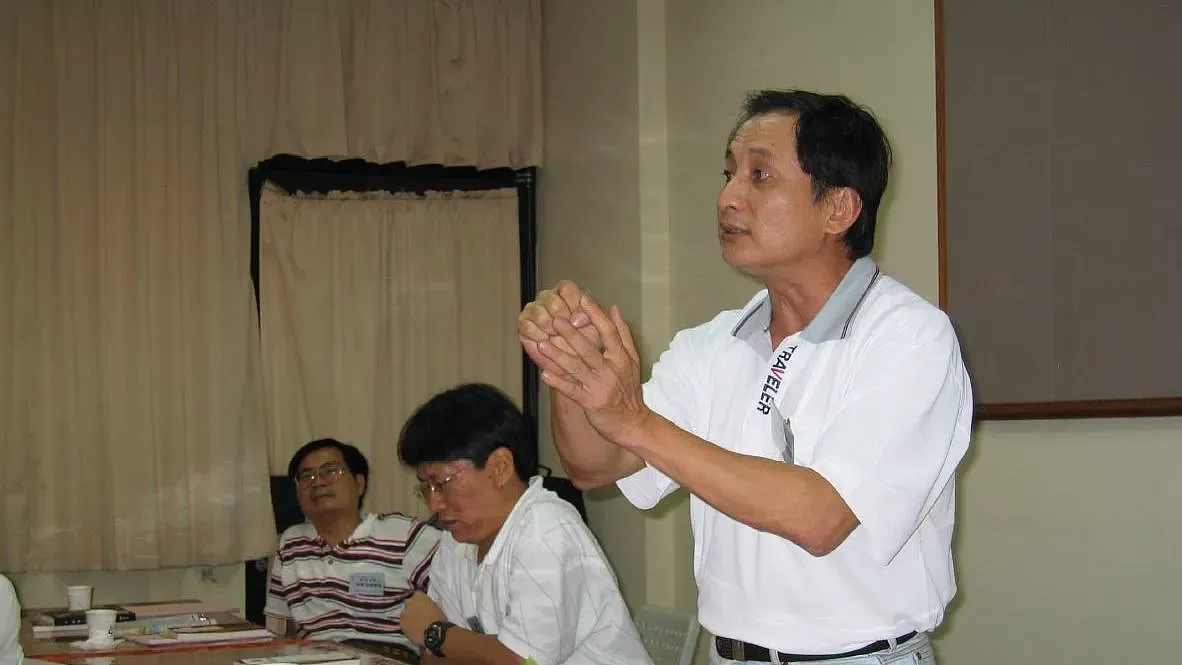
My long-time comrade in prosecutorial reform, Prosecutor Lai Ching-hsiang, recently passed away from lung adenocarcinoma, and his public memorial service is held today. His claim to fame was the Hualien legislative election ballot-rigging case that brought Huang Hsin-chieh back from defeat, as well as the sweeping crackdown on organized crime and corruption in Pingtung. Throughout his entire life, he remained a frontline prosecutor, never favored by superiors to become a head prosecutor. It is lamentable that investigative prosecutors like him are gradually heading toward extinction.
Investigative prosecutors do not simply accept cases referred by police and investigative agencies at face value; instead, they dig deeper into the facts, sometimes even independently developing cases and actively investigating deep-seated crimes that police and investigators have no heart to pursue. However, such prosecutors are either long abandoned by high-ranking officials of the Ministry of Justice or accused by the outside world of being harsh taskmasters or political hitmen.
It is their destiny that investigative prosecutors are unpopular, because they often naively disrupt the delicate symbiotic relationship between local underworld and legal authorities, sabotaging lucrative plans colluded by central political and business figures, thus suffering brutal retaliation. Sometimes they turn into overly zealous, lonely lone wolves who accumulate too many backlogs or violate statutory procedures in the pursuit of crime, leading to disciplinary actions and impeachment. In recent years, investigative prosecutors have been struck down one by one, leaving a lesson for young prosecutors: doing more means making more mistakes; doing nothing means no mistakes.
The mediocre standardization of prosecutors—disposing of cases rather than investigating them—naturally has its benefits: political and business circles can operate with peace of mind, and the prosecutorial branch will not frequently have its powers stripped by legislators amending the law. Everyone coexists peacefully, what is wrong with that? Yet, when major injustices occur in society and handling prosecutors can only take guidance from media pundits while remaining powerless to uncover the truth, people finally miss investigative prosecutors, hoping they will step forward to set the world right and rescue the vulnerable.
How can we unleash investigative prosecutors to charge into battle without negative consequences? First, there must be upright and capable chief prosecutors to supervise their investigations—harnessing their explosive potential on the one hand, and ensuring procedural propriety on the other. Tragically, however, "investigative chief prosecutors" are currently in severe shortage. In recent years, the prosecutorial branch has assigned head prosecutors to administrative work, and fewer and fewer head prosecutors possess the capacity and experience for team investigations. Most prosecutors-in-charge do not even know what an investigation entails; how can they cultivate positive investigative prosecutors?
Furthermore, human and material resources must be provided to investigative prosecutors. The Ministry of Justice and the Supreme Prosecutor's Office should establish specialized teams to support investigations, and local chief prosecutors should flexibly dispatch prosecutors and investigators within their offices, possessing the resolve to offend other prosecutors so that investigative prosecutors can shed caseloads and concentrate on single investigations. One of the evil consequences of isolating investigative prosecutors is forcing them to privately select proteges from police and investigative personnel. This is a dangerous gamble, because if someone in the team lacks integrity, the prosecutor's reputation instantly goes down with them, or they may even break the law and end up behind bars, merely allowing malicious actors to strike back and invert black and white.
Combating black-hearted conglomerates and corrupt high-ranking officials can rely on the media, legislation, or party rotation, but none of these procedures are as rigorous as criminal litigation, nor is their effect as direct as a prosecutor's pursuit. Letting investigative prosecutors and dark forces engage in an open showdown is the true strategy for the country's long-term peace and security.
※ Originally published in Apple Daily on July 4, 2015
This article is an AI-generated translation of the original Chinese text. In the event of any discrepancy, the Chinese version shall prevail.
