
The Marriage Vow of Legal Professionals
Last edited: 2026-11-08
The couple were students I taught when I was young and they were even younger: a couple from the evening law program. You have probably never heard of their school (in fact, it is Water Buffalo Uncle's alma mater), which was later even ordered closed by the Ministry of Education. The young man had worked part-time since junior high to support himself and his family; he is a sincere, kind-hearted young man. His supervisor liked him very much; although he was only part-time, his pay was close to that of full-time staff, because he always did far more than anyone else would. He had long deserved it, but because he lacked the degree, had not passed the exams, and still wanted to study, he remained a work-study employee. The young woman is considerate and mature; from her cheerful smile and sweet looks, you would hardly guess how much she carries inside: things understood and things hard to understand, things bearable and things hard to bear. Many of the hardships of daily life and of the heart seemed far more than a twenty-year-old should have to bear, yet she shouldered them all. They had been together since high school, ten years in all, and chose November 29, election day, to tie the knot. That evening, as ballots were counted one by one and Taiwan seemed about to enter a new era, they began their future together.
The Qualities of an Outstanding "Person"
Their classmates were some young, some older, but most lived in similar circumstances: working by day to support themselves, attending class by night of their own accord, striving to better themselves, plain and unpretentious. Many were mothers, some single mothers. From the way they dragged their exhausted bodies to class at night, trying to stay alert yet unable to avoid dozing off, you could guess that they were all burning the candle at both ends.
Tired as they were, they had the strongest motivation to learn I have ever seen. The older ones may not have liked studying when they were young, or may not have been able to study, so they cherished this second chance. The younger ones, mostly like this couple, had to work by day to support their families; the hardship of work taught them that they needed further education to be more competitive.
Beyond that, they were also the humblest people I have ever met. Perhaps because their families were poor, perhaps because their work was hard, perhaps because they envied the prestige of national university law schools, they always felt they could not measure up to others. Yet in truth they felt life intensely and had real depth: affectionate, sincere, considerate, kind, modest, content with their lot, hardworking. Looking around their wedding, full of young people, you could tell the young couple's life holds boundless hope.
The Beauty and Sorrow of Legal Professionals
First one is a "person," and only then a legal professional, or a professional in any field. Perhaps this is also Water Buffalo Uncle's hallmark: because he grew up poor and without impressive credentials, once he held power he naturally went to the poorest households and the most difficult places. Such people are also better at knowing others and putting them to good use, precisely because they always vividly remember how inadequate they once were, and so carry an extra measure of caution and humility.
What I remember most is telling them that they truly need not envy the students at top-ranked law schools. I have seen those students; I was even one of them. It is not that those students are not excellent. It is just that they have their worries, and you have your strengths. Everyone has their own beauty and sorrow.
The top students' worry is that enjoying the halo of glory means carrying a heavy burden. They cannot allow themselves to fail, are too afraid of failure, too worried about disappointing the teachers, family, and friends who care about them. Only after becoming judges or prosecutors do they realize they chose the wrong career, with no passion or drive for the job. Bearing the expectations of family and friends and a life of success, they dare not let go. Work is no longer a calling; at some point, without their realizing it, it has become merely a way to make a living.
It is all too easy to keep their heads down and follow the expectations of teachers, family, and friends. At work, this means following their superiors' wishes and ruling as the Supreme Court would. They seem free in their actions but are confined in their thinking. Especially when life has gone smoothly and they hold great power at a young age, if they cannot appreciate the hard lives of ordinary people, their investigations and judgments easily lack a "human touch." Holding power without humility, they hurt people without realizing it. This is the beauty and sorrow of top students. It is not by their own choice; it comes from their life experience.
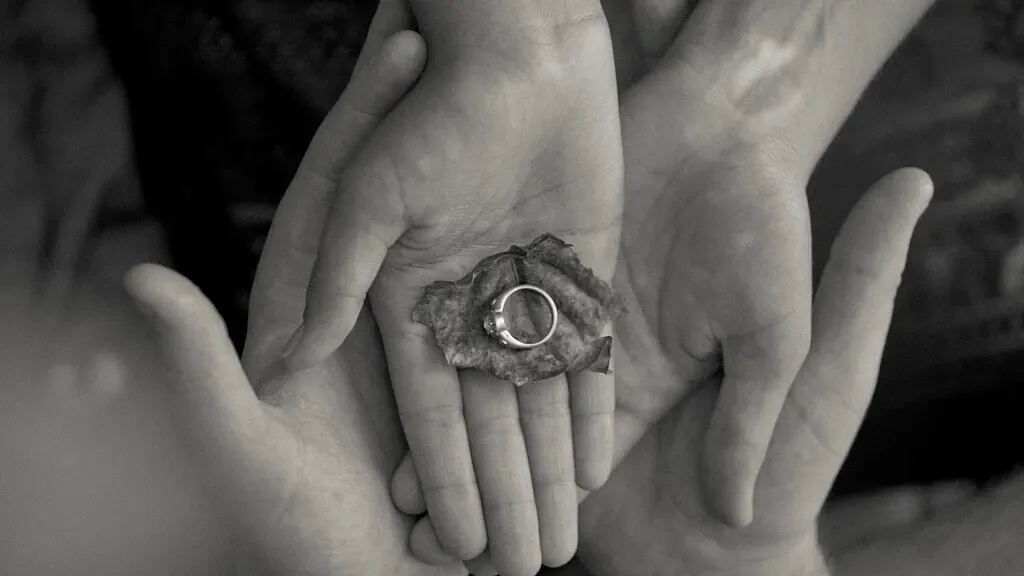
Watching the lively wedding, I wish them eternal happiness, that they keep their original aspirations and meet every success or challenge with passion and humility. It is the same wish I have for law students and for those who later wield judicial power: that in their pursuit of justice they keep their original aspirations, passion, and humility for a lifetime, like the vows made at a wedding.
This article is an AI-generated translation of the original Chinese text. In the event of any discrepancy, the Chinese version shall prevail.
