
Everyone "Knows All Too Well" How Things Work in the Military?
Last edited: 2026-07-27
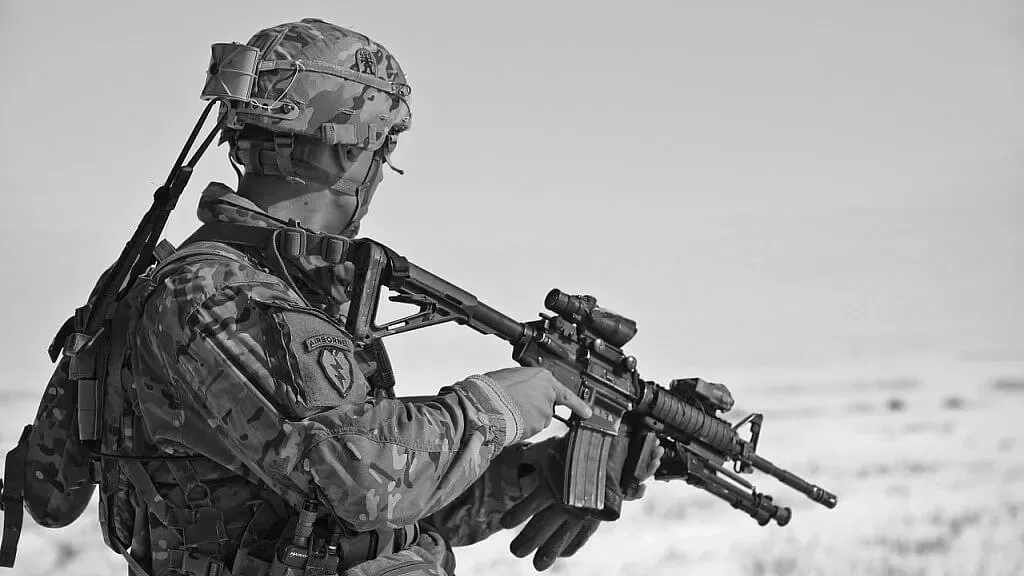
Photo source/ArmyAmber
According to media reports, female military officer Yeh Wen stated during her detention hearing that she fled because she was forced to drink alcohol with superiors and had her thighs groped. This drew anger from the Ministry of National Defense, which criticized her by saying, "She didn't speak up back then, and now these claims suddenly pop up." In court, the judge remarked, "Everyone knows all too well how things work in the military, so it is inconvenient to say much." Speaking as someone "who has been through it all," the judge mentioned enduring 22 years of hardship in the military, asking, "Can you imagine?" The judge also reprimanded her: "You are an officer, not a child, and you cannot just flee abroad like that," echoing media descriptions of Yeh as "childish, willful, and different from ordinary people." In the end, despite facing a lesser offense carrying a penalty of five years or less, she was still ordered to be detained.
The Hung Chung-chiu case is not a distant memory, and everyone "knows all too well" about the culture within the military. Hung was a man facing "patriarchal" bullying, whereas Yeh Wen entered a "multiple" field of hegemony upon joining the military. Yeh also had to resist any directives from (male) superiors, which tolerated no challenge—this is the first layer of military hegemony. The hierarchical organizational culture of the armed forces reveres the ideology of the iron (male) man more than any other institution in society: "reasonable demands are training, unreasonable demands are tempering."
Phallic Worship and Physical Strength Supreme
Within military organizations, "heroic masculinity" is a fundamental value. For women to give gifts and toast at banquets is simply work better suited to "feminine traits." Furthermore, toasting and accompanying people at dinner are considered "easy tasks," which pale in comparison to male officers sweating through drills and shedding blood to kill the enemy. This is the second layer of male hegemony: physical strength is supreme, and phallic worship prevails. The explicit practice is to assign women "light and easy" work, while the implicit practice is to "protect" women from doing "heavy and rough" work. In essence, both uphold masculinity and disparage feminine traits.
Finally, Yeh Wen should not have fled abroad, as it was "losing face internationally." Extradited back to Taiwan, she still had to face the embarrassment of the military and the humiliation of the media. Her ignorance of political asylum confirmed her "childish and fanciful" nature, deepening the impression of her being "fragile and incompetent"; media reports about her obsession with "celebrity fandom" reinforced the image of her "emotional vulnerability." By contrasting and opposing the traits of "firmness" and "frailty," the criticism directed at Yeh Wen humiliated the educational training of the Ministry of National Defense and vented the public's frustration over the unprofessionalism of the military and the lack of human rights within it. Her successful extradition slightly eased our anxiety over marginalized international standing, and the court's continued detention of her further alleviated this anxiety.
Discrimination and Bullying Are Alarming
When an individual woman enters a highly male-centric institution, she may conflict with or challenge the fundamental values of the military system. If she lacks organizational or emotional support systems—regardless of whether she chooses to be ostracized or to assimilate—she must pay an extremely high price. Yeh Wen chose to flee, and the price was not low. Yet the law, which should have been her ultimate line of defense, ignored the context of military hierarchy, gendered realities, and national grievances. The judge's remarks—purportedly "deeply empathetic and something everyone knows all too well"—ended up sounding like a hybrid of three layers of discrimination and bullying? Declaring that he had endured 22 years of "masculine suffering" in the military carried the implicit message: As someone feminine like you, I understand you, but you don't understand me? The "judicial reproduction" of discrimination and bullying is alarming, and deepening and reinforcing this cultural imagination is even more unsettling. Male hegemony in the military is thus maintained, bit by bit.
This article is an AI-generated translation of the original Chinese text. In the event of any discrepancy, the Chinese version shall prevail.
