
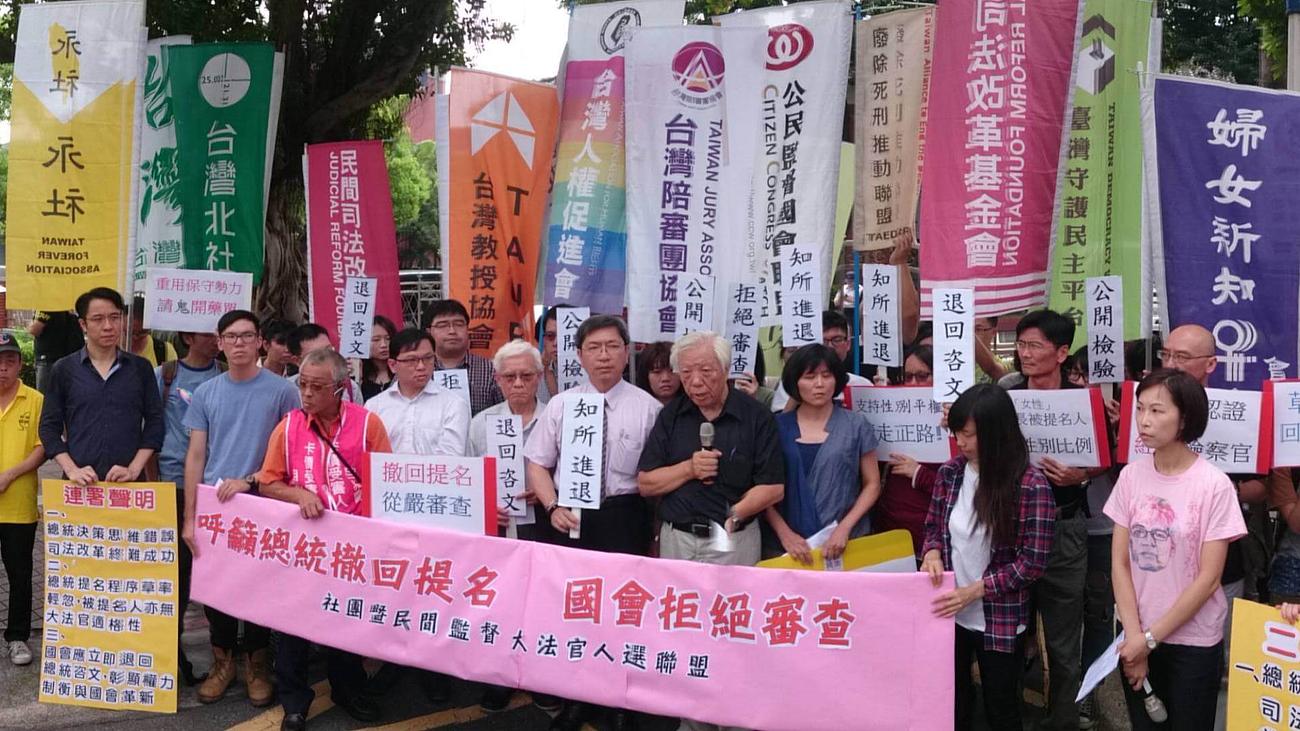
Oversight of Nominees for President and Vice President of the Judicial Yuan and for Grand Justice
Last Edited: June 27, 2026
Origins of the Alliance
The core purpose of drafting a constitution in a modern liberal democratic nation is to "limit government power and protect the fundamental rights of the people." Grand Justices are the ultimate interpreters of the Constitution, responsible for constitutional review and the protection of fundamental human rights, and serving as the last avenue of remedy for the people's rights—their interpretations are binding on every authority of the State and guide subsequent court decisions. A Grand Justice's own philosophy of human rights, along with their open-mindedness and familiarity with human rights issues across various fields, directly impacts whether Taiwan's society can realize the ideal of a "nation founded on human rights."
However, the current nomination process for Grand Justices is extremely opaque, and the review process has become a mere formality and overly hasty, reducing nominees who ought to enjoy the trust of the entire public to mere idle gossip among a select few.
In January 2003, six civil society organizations—the Taipei Society, the Taiwan Law Society, the Taiwan Association for Human Rights, the Taiwan Bar Association, the Taipei Bar Association, and the Judicial Reform Foundation—jointly founded the "Civic Alliance for Oversight of Judicial Yuan Grand Justice Nominees (including the President and Vice President of the Judicial Yuan)" (the "Grand Justices Nomination Oversight Alliance"). On April 4 of the same year, the Alliance held its first press conference, demanding that Grand Justice nominations be free of political calculation and be made after broad consultation with civil society.
The Alliance has convened evaluation meetings during successive Grand Justice nominations in 2003, 2007, 2008, 2010, 2015, and 2023. In 2015, civil society organizations including Taiwan Democracy Watch, the Civic Alliance to Promote Constitutional Reform and the Taiwan Innocence Project joined the Alliance.
Mission of the Alliance
The Alliance was established with three core missions: 1. Monitor the President's process for nominating Grand Justices and the President and Vice President of the Judicial Yuan; 2. Issue the Alliance's opinions on nominees deemed unfit; and 3. Monitor the Legislative Yuan's exercise of its power of consent. In practice, this work is divided into "procedural oversight" and "substantive oversight."
Procedural Oversight
- Require the President to broadly consult various sectors, announce the candidate list early with accompanying justifications, and submit to public evaluation
- Oppose nominating or consulting candidates through party recommendations
- Require the Legislative Yuan to form a committee for the exercise of the power of consent and to hold public hearings soliciting broad public input
- Call on legislators not to use party discipline to stage irrational boycotts when exercising the power of consent
- Oppose raising the consent threshold from one-half to two-thirds
- Urge that party affiliation not be the sole criterion for nomination
Substantive Oversight
- Affirmative qualifications: a demonstrated commitment to human rights, democratic values and professional competence
- Disqualifying factors: no blemish on moral character or integrity, and no conduct unbecoming of a Grand Justice
- Evaluations should not be primarily based on provincial origin, region, background, or ideology
- To promote gender equality, demand an increase in female Grand Justice nominees
- The Alliance may conduct substantive reviews of specific candidates and issue opinions on those deemed unfit
- Strongly urge that nominees remain above partisan politics, withdraw from political parties during their term, and refrain from participating in political activities
Without proactively recommending specific candidates, the Alliance deems it necessary to extensively gather opinions from the public and various sectors of society to serve as a reference for the President's nominations and the Legislative Yuan's exercise of its power of consent.
Past Evaluation Reports
- 2003 Evaluation Report Finding Judicial Yuan Vice President Nominee Ch'eng Chung-mo Unfit (2003-08-17)
- 2007 Overall Evaluation Opinions of the Grand Justices Nomination Oversight Alliance (2007-09-17)
- 2008 Overall Evaluation Opinions (2008-09-30)
- 2010 Evaluation Report on Nominees for Grand Justice and for President and Vice President of the Judicial Yuan (2010-10-04)
- 2016 Evaluation Report on Nominees for Grand Justice and for President and Vice President of the Judicial Yuan (2016-10-12)
- 2023 2023 Evaluation Conclusions
Specific Recommendations on the Exercise of the Power of Consent
In recent years, the Alliance has revised its evaluation methods to pose public questions to nominees, allowing member organizations to voice their commentary based on issues of concern (responses from the first wave of nominees can be found via this link; responses from the second wave of nominees can be found via this link).
Regarding the Legislative Yuan's exercise of the power of consent over Grand Justice nominations, the Alliance puts forward the following specific recommendations:
- Upon receiving the nominees' materials, each party caucus in the Legislative Yuan should form a task force to gather input and first submit written questions or requests for supplementary materials to the nominees.
- All party caucuses should promptly schedule the review and the vote on consent, avoiding undue delay.
- Before the Committee of the Whole Yuan convenes its review meetings, a public hearing should be held to gather broad public input, and at least one week should elapse between the public hearing and the review meetings to ensure opinions are fully consolidated.
- The Committee of the Whole Yuan should hold at least two review meetings; legislators' questioning should focus on clarifying the nominees' philosophies and views, rather than pointless quizzing on specific statutory provisions or J.Y. Interpretation numbers.
- When the vote is taken at the Yuan Sitting (plenary sitting), each party should allow its legislators a free vote, without imposing party discipline or other constraints, so that the most qualified people are selected to serve the nation.
2008
Legislative Observation Group Observation Comments - Statement by the Alliance for Citizen Monitoring of Judicial Yuan Grand Justice Nominees
Following the release of its evaluation report on the Grand Justice nominees on September 30, the "Alliance for Citizen…
2008
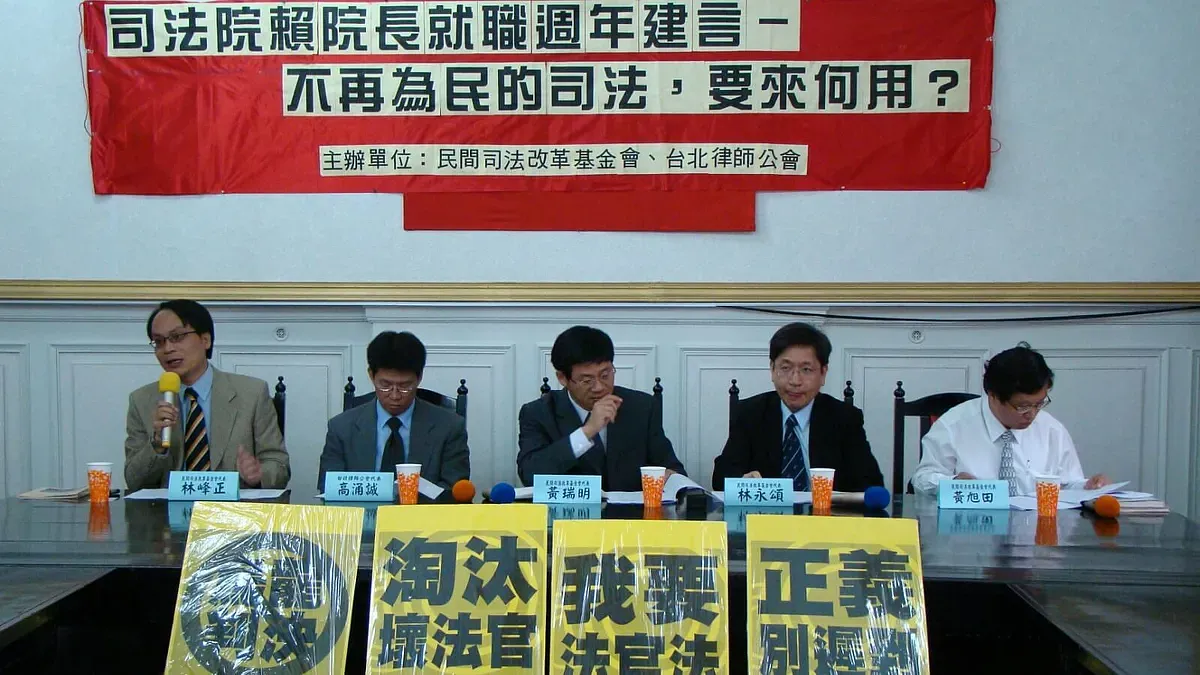
What is the Use of a Judiciary That No Longer Serves the People? Recommendations on the First Anniversary of Judicial Yuan President Lai In-jaw's Taking Office
On August 31, 2007, former President Chen Shui-bian nominated Grand Justice Lai In-jaw to serve as President of the…
2008
Civil Society Coalition for the Monitoring of Judicial Yuan Grand Justice Nominees Releases Evaluation Report
The Civil Society Coalition for the Monitoring of Judicial Yuan Grand Justice Nominees—comprising six civic groups…
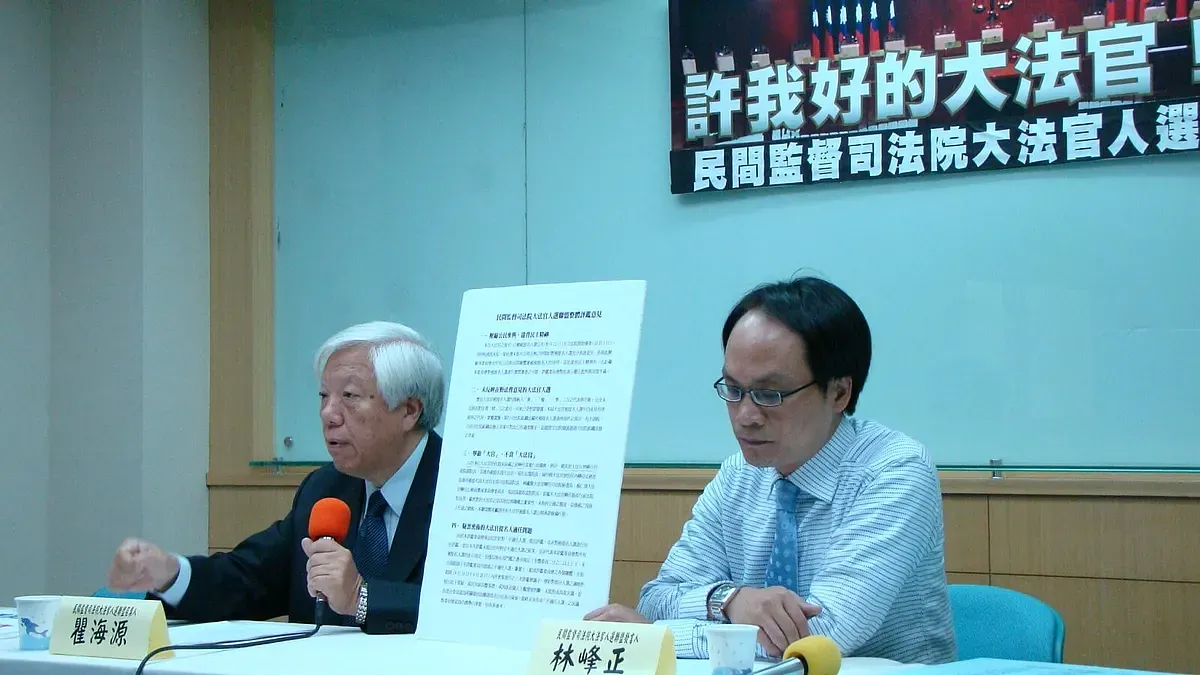
2008
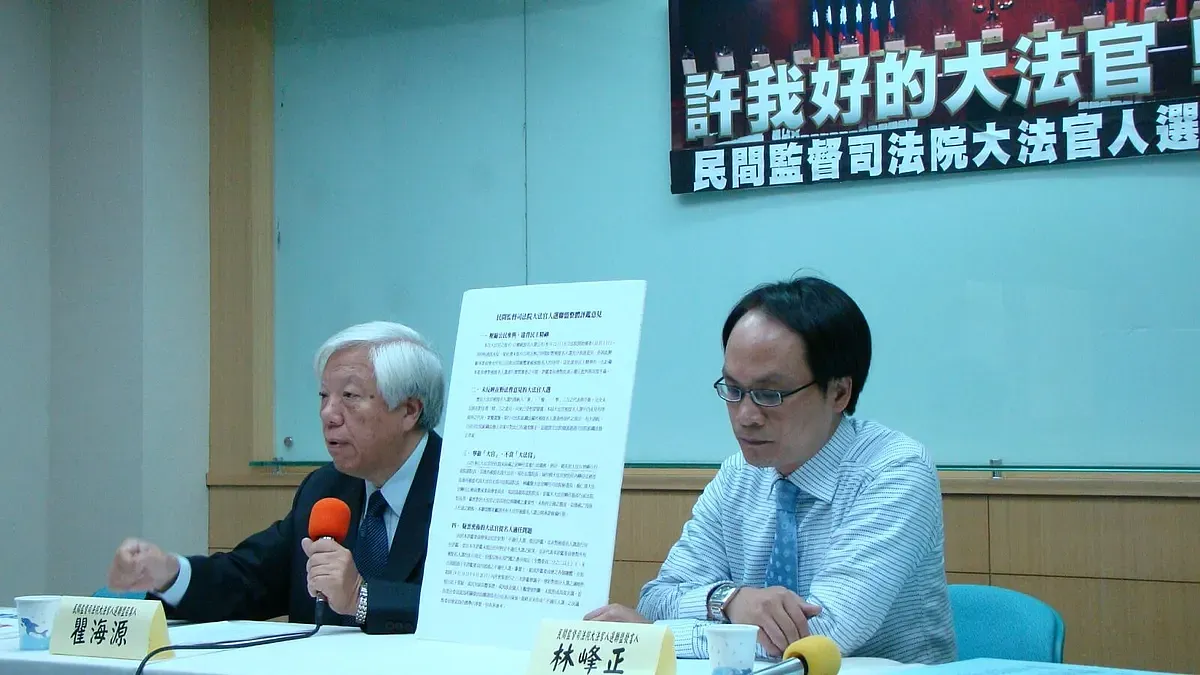
Give Us Good Grand Justices ~ Citizens' Coalition for the Monitoring of Judicial Yuan Grand Justice Nominees
Established in 2003 by the Taiwan Law Society, Taiwan Association for Human Rights, Taiwan Association for University…
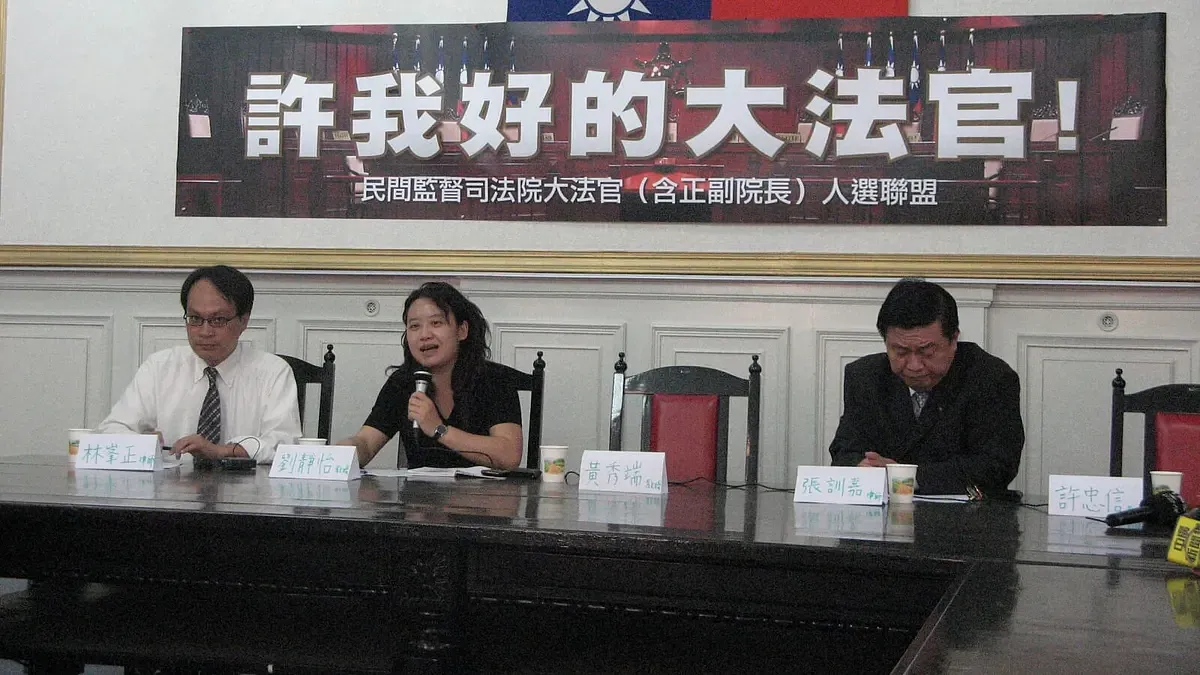
2007
Statement by the Alliance for Civilian Oversight of Candidates for Grand Justices of the Judicial Yuan (including the President and Vice President)
Because the Legislative Yuan continued to follow the old system for reviewing Grand Justice consent, using a Committee…
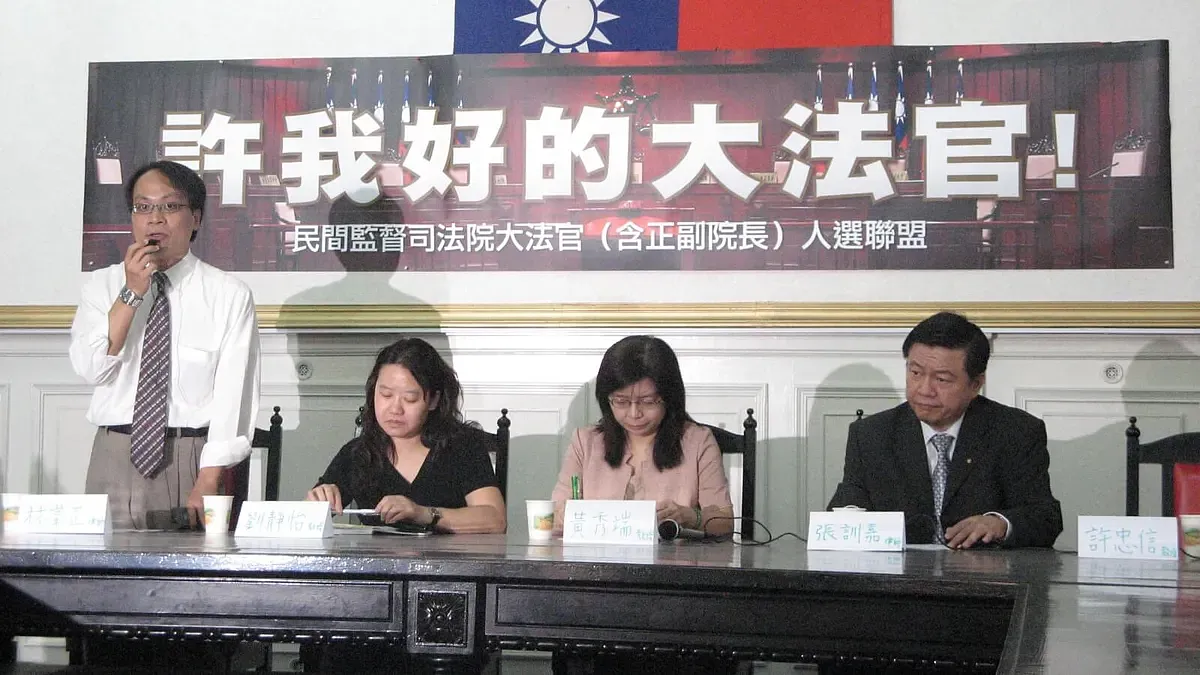
2007
Grand Justices, Give Us an Answer! 42 Questions for the President and Vice-President of the Judicial Yuan and Grand Justice Nominees
On August 31, 2007, President Chen Shui-bian nominated Lai In-jaw as President of the Judicial Yuan. In addition to…

2006
Statement by the Judicial Reform Foundation Regarding Grand Justices Involved in a Influence-Peddling Case
According to news reports, the Judicial Yuan applied double standards in handling the judicial influence-peddling cases…
2006
Statement by the Judicial Reform Foundation Regarding the Incident Involving Grand Justice Ch'eng Chung-mo
Regarding Grand Justice Cheng Chung-mo, we issue several statements and expectations strictly from the perspective of a…
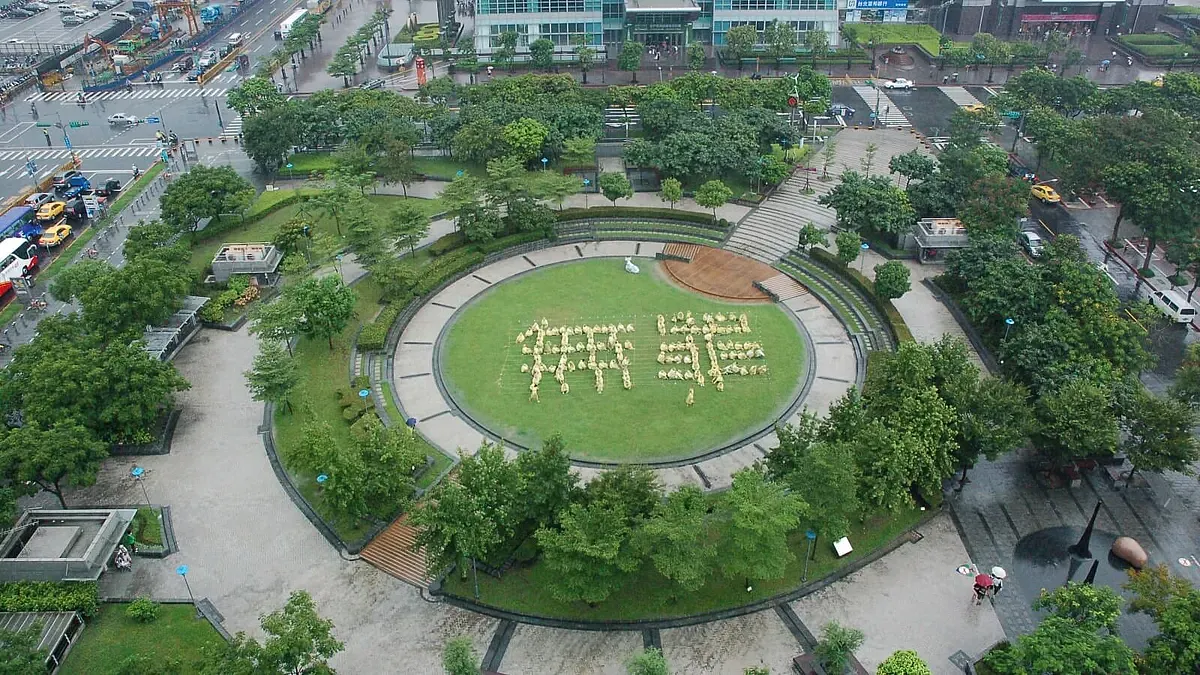
2004
Welcoming the Court's Trial Proceedings in the Su Chien-ho Case on World Human Rights Day in Accordance with Judicial Yuan Interpretation No. 582
The Taiwan High Court held another trial hearing for the Su Chien-ho case this afternoon. After a hiatus of nine…
2004
Condemning the Brash Kidnapping of the Grand Justices
The Council of Grand Justices of the Judicial Yuan held oral arguments in the Constitutional Court today regarding…
2003
Press Release on the Comprehensive Evaluation of the Exercise of Consent Power for Grand Justices of the Judicial Yuan in 2003
Following the Legislative Yuan's vote today (the 16th) to exercise the personnel consent power for the 2003 Grand…
2003
Opposition to Handling Legal Issues Regarding Grand Justice Qualification Screening Through Political Means
The Legislative Yuan is currently conducting the review and consent procedure for Grand Justices of the Judicial Yuan.…
